Portugal is easy to explore, but your choice of transport affects the type of trip you have. Some travellers want fast city connections, while others want freedom for beaches, vineyards, and mountain villages. Many visitors rent a car in Portugal because it helps them reach smaller places beyond the main railway network.
On the other hand, trains work best for direct city routes, such as Lisbon, Porto, and Coimbra. But for some, the best way to travel around Portugal is a mix of both. Our guide compares train travel and car hire across Portugal’s cities, coastlines, mountain regions, and rural destinations so you can choose the right option for your trip.
Portugal has a reliable transport network across the country. Long-distance trains connect the main north-to-south corridor, while roads and motorways help travellers reach regional towns, beaches, and mountain areas that trains cannot easily access.
You should rent a car in Portugal if your itinerary includes many smaller stops in a single day. Car hire is available at airports, major rail stations, and large towns across the country, including Ponta Delgada Airport, Flores Airport, Madeira Airport, and Porto Airport.
In Portugal, you drive on the right-hand side of the road. Speed limits for cars are usually 50 km/h in built-up areas, 90 km/h on normal roads, 100 km/h on roads for motor vehicles, and 120 km/h on motorways. Portugal also uses both traditional toll booths and electronic-only toll roads, so you should arrange a toll payment option before starting your journey.
A car is also useful when you want to stop at viewpoints, beaches, wineries, or villages without depending on train schedules. Travellers who prefer slower road trips often find that regional routes become easier to manage with a car instead of multiple train and bus changes.

Rail travel works best on routes linking Lisbon, Porto, and Coimbra. Long-distance services run every day, while regional rail lines continue into smaller parts of the country.
The fastest trains include reserved seating, Wi-Fi, power sockets, toilets, and wheelchair access. This makes rail travel convenient for direct city-to-city journeys, without worrying about toll roads or parking.
Train stations in Portugal are usually close to public transport, hotels, restaurants, and tourist areas. You can continue your journey using metro systems, buses, or taxis after arriving in the city centre.
Train prices are usually easier to predict because tickets show the full cost before travelling. Economy train fares on routes such as Lisbon to Porto or Lisbon to Braga can start from around EUR 8, while longer routes like Lisbon to Faro often start from around EUR 18. First-class tickets on some intercity routes can reach around EUR 35 to EUR 48, depending on the route and service type.
Car costs change more because you must include daily hire, fuel, tolls, and parking charges. Small economy cars in Portugal can cost around EUR 63 to EUR 80 per day, depending on the season, pick-up location, and vehicle type. Travellers visiting only Lisbon, Porto, and Coimbra often spend less using trains.
However, families, groups, or travellers visiting several small towns may find that renting a car in Portugal is easier and sometimes cheaper than booking multiple train and bus tickets.
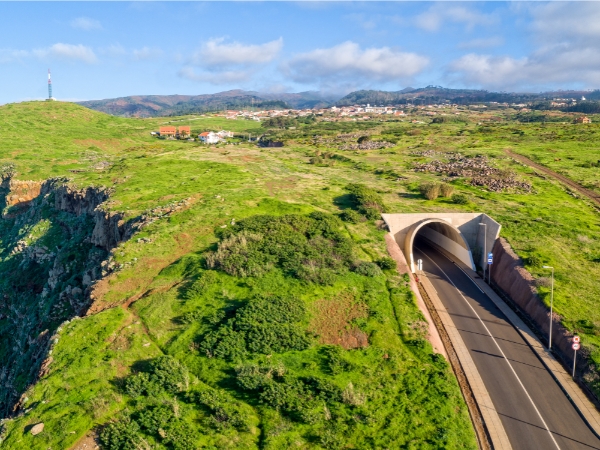
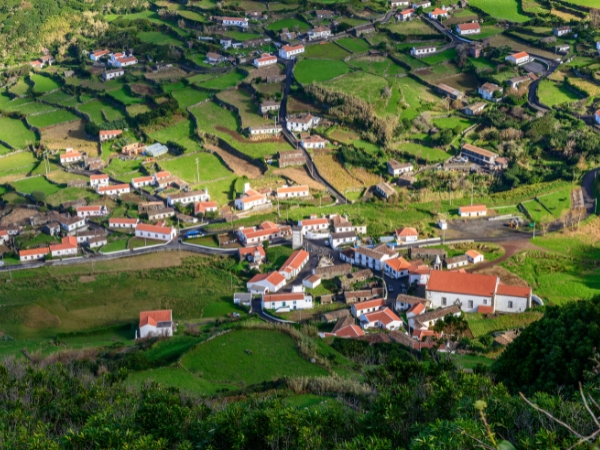
Rail coverage is weaker once you leave the main transport corridor. Many of Portugal’s most scenic places are along coastal roads, mountain passes, and rural valleys that require extra transport after leaving the train station.
Cliffs, beaches, surf, sunsets, and coastal roads make the Algarve ideal for road trips. Regional trains operate across parts of the Algarve, but many smaller beaches are far from railway stations.
West coast destinations such as Amoreira, Monte Clérigo, Arrifana, and Carrapateira attract travellers looking for dramatic cliffs, hidden coves, and surf spots. These places often require extra driving after leaving the nearest station.This is one of the clearest reasons to rent a car. It helps you visit multiple beaches in one day while also stopping at restaurants, viewpoints, and coastal villages along the route. You can also easily adjust plans based on the weather and beach conditions.
You can rent a car in Portugal with Final Rentals if you want insurance coverage, competitive daily rates, and a wide range of car types for regional road trips.
Vineyards, river views, villages, viewpoints, and wine estates make the Douro Valley one of Portugal’s best places to go on a road trip. The railway line through the valley offers excellent scenery beside the river for much of the route.
Still, many wineries, tasting estates, and villages are above the valley on hillside roads. Villages such as Favaios, Provesende, Barcos, Salzedas, Ucanha, and Trevões are easier to visit into one itinerary with a car.
When you rent a car in Portugal for the Douro region, you can visit viewpoints, restaurants, and wineries at your own pace. If your group plans to taste wine, choose a designated driver and follow Portugal’s alcohol rules carefully.
Castles, mountains, river beaches, villages, and nature parks make Central Portugal ideal for road travel. Historic villages and mountain regions often require several transport connections when travelling without a car.
Road routes through Serra da Estrela pass through mountain towns such as Sabugueiro, Loriga, Lagoa Comprida, and Alvoco da Serra. Travellers can combine viewpoints, hiking areas, river beaches, and food stops in one circular route.
Here, many visitors rent a car in Portugal because regional travel becomes much simpler. A car also helps travellers reach trailheads and nature areas that have limited public transport during quieter seasons.
Rail travel becomes much more practical inside Portugal’s busiest cities. The main advantage is not only speed. Train stations connect directly with metro systems, buses, hotels, and walking areas without the stress of city parking.

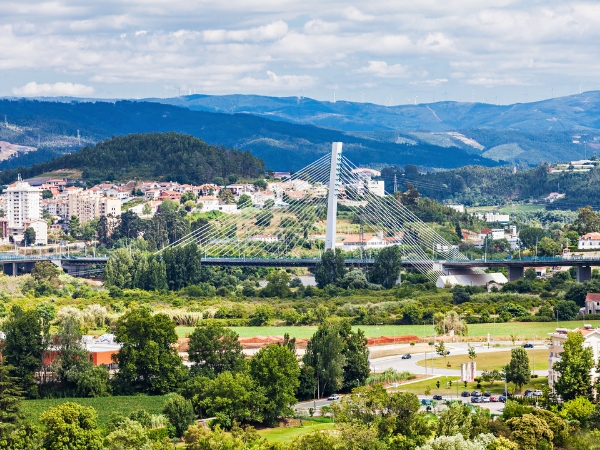
Direct services connect Lisbon, Porto, and Coimbra several times each day. The fastest journeys between Lisbon and Porto usually take less than 3 hours. Coimbra is located directly on the same major railway line, making it easy to include in multi-city trips.
Many travellers prefer trains here because stations are close to historic neighbourhoods, hotels, and public transport links. Instead of searching for parking spaces, you can continue directly into the city centre after arriving.
Traffic, parking zones, walking areas, metros, and city centres affect travel time more than you expect. Parking restrictions exist across Lisbon and Porto, especially inside historic neighbourhoods.
Many areas use paid parking zones with time limits, while some central streets now prioritise walking areas and public transport access. Drivers often spend extra time searching for available parking during busy travel seasons.
If your hotel is inside a major city centre, train travel can remove a large part of the daily stress. Public transport systems in Lisbon and Porto make it easy to get around without a car.
You do not need to choose one transport option for the entire trip. You can first use trains between Lisbon, Porto, and Coimbra, then arrange short-term car hire for regional areas like the Algarve, Douro Valley, or Serra da Estrela.
Choosing the right mode of transport in Portugal depends on how you plan to travel each day. Some may prefer direct city connections with less planning, while others want more freedom to stop in smaller towns, beaches, and countryside areas. Instead of choosing based only on speed or price, think about how flexible you want your trip to feel.
Rent a car in Portugal with Final Rentals if you want convenient pick-up options at Porto Airport, Madeira Airport, Ponta Delgada Airport, and Flores Airport, simple fuel policies, and a choice of small cars, medium cars, SUVs, and automatic or manual vehicles for different types of regional trips. Book and manage your car rental at any time. Download the Final Rentals app on Google Play and the App Store.
Take the train if your trip mainly includes Lisbon, Porto, and Coimbra, as direct rail services between these cities are fast and practical. Rent a car in Portugal if you plan to visit the Algarve, the Douro Valley, Serra da Estrela, or smaller coastal and mountain villages where public transport is more limited.
Yes, many tourists find driving in Portugal manageable, especially on motorways and regional roads. Before starting your trip, learn the toll systems, roundabouts, parking rules, and speed limits in km/h, especially when driving in busy cities like Lisbon and Porto.
For many travellers, the best way to travel around Portugal is by combining trains and car hire. Trains work well between major cities like Lisbon, Porto, and Coimbra, while short-term car hire is more practical for rural regions, beach towns, mountain villages, and scenic coastal routes.