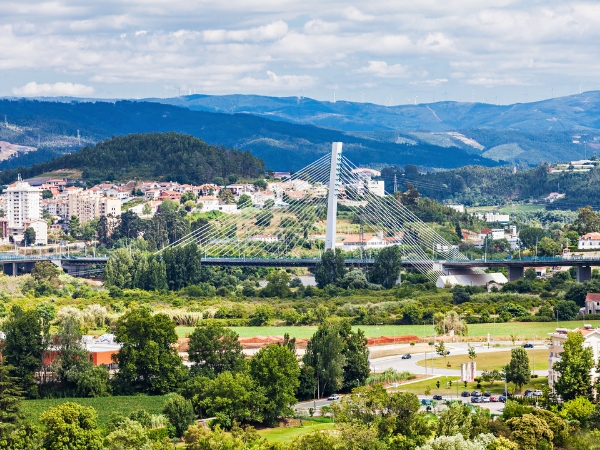
Porto is compact enough to enjoy on foot, but its character changes once you leave the oldest streets. The historic centre rises above the Douro, while riverside roads lead west towards Foz. The Atlantic edge then opens into beaches, promenades, and large green spaces.
Renting a car in Porto makes it easier to reach central viewpoints, Boavista, the riverfront, Foz do Douro, and Parque da Cidade. Older streets can be narrow, parking is regulated, and access can change during events or roadworks. Our guide covers your central-to-coast route, parking, local driving rules, and what to check before returning the car.
Before setting off, think about signage, your arrival point, your hotel, and how long you need the car. A simple driving plan can reduce unnecessary trips through Porto’s busiest streets. If your car remains parked during central sightseeing, consider picking it up later.
Porto Airport is about 11 kilometres from the city centre, with car rental desks available at the terminal. Airport pick-up works well when you want to start driving soon after landing. It is also useful when your accommodation is outside the historic core. Airport pick-up also gives you quick access to the wider metropolitan road network. If you are continuing beyond Porto, airport pick-up can also avoid an extra trip into the centre.
Downtown pick-up makes sense when your first days focus on Aliados, São Bento, Clérigos, and Ribeira. You can explore much of the historic centre on foot. Picking up your rental car in Porto later also avoids paying for overnight parking before you need it.
Porto’s historic centre has small streets, alleys, steep connections, and many one-way sections. The oldest streets reflect Porto’s medieval layout, so junctions can appear close together. Some areas also have pedestrian or controlled-car access, so a direct map route may not remain open. Access rules may change around pedestrian zones and events. A route that looks direct on a map can therefore end at a restricted street.
Do not rely only on the shortest route shown by your navigation app. Follow local signs around restrictions, temporary closures, and construction areas. Road works and events can change traffic directions, parking, or access. Enter a nearby car park or a larger road into your navigation to find attractions in the oldest quarter. You can then walk the final few hundred metres instead of driving to the exact entrance.
Porto has regulated paid street parking, with different time limits depending on the zone. Always check the signs where you park. An off-street public car park can be easier to access around major sightseeing areas. Park near the historic centre’s edge and continue downhill on foot.
A central public car park also makes walking downhill towards Baixa easier. Walking from the edge of Baixa can also save time when central streets are busy. A rental car in Porto is more useful once you are ready to explore beyond these dense central streets.
Steep gradients are common between the Douro riverfront and Porto’s higher districts. Reduce your speed on descents, bends, and streets with limited visibility.
A compact car is usually easier to position on old streets and in smaller parking spaces. Watch for heritage trams on riverside routes towards Foz. Historic trams use parts of the riverside network towards Foz. Give them space and watch for stops near the roadway.
When you book a rental car in Porto with Final Rentals, you get unlimited mileage and can register one additional driver at no extra charge. Collision Damage Waiver, Theft Waiver, Third-Party Liability, and Personal Accident Insurance are also included in the rental terms.
This Porto road trip takes you from the city centre towards the Atlantic, with stops that gradually change from historic streets to wider avenues and coastal views. The route is easy to follow, but road works or temporary restrictions can affect the final approach, so use each stop as a waypoint and follow current road signs along the way.
Avoid starting your drive through Ribeira’s smallest streets. Begin around Palácio de Cristal, which is already on the western side of central Porto. Its gardens cover about 8 hectares and offer views across the Douro and the surrounding city. The gardens also give you an early sense of the city’s steep geography.
After your stop, continue towards Boavista using larger connecting roads. Live navigation can help, but avoid shortcuts through the historic core. Keeping your rental car in Porto on wider roads makes the first section easier to manage.
Boavista has wider roads than the medieval centre. Avenida da Boavista is a major western route linking several districts. The avenue keeps you away from many smaller central streets. You will have more road space than around Ribeira’s narrow streets.
Casa da Música is a recognisable stop near the eastern part of the avenue. Farther west, Serralves brings contemporary art, architecture, and gardens into the route. Both give you cultural stops outside Baixa. You do not need to visit every attraction. Boavista mainly works as a useful westbound corridor before you turn towards the river. Choose stops based on your interests and the time you have for sightseeing.

From western Boavista, set a waypoint for Lordelo do Ouro or the riverfront. You can then join the Douro west of the busiest central streets. Continue towards Passeio Alegre and Foz instead of returning towards Ribeira.
The river widens as you approach its mouth and eventually meets the Atlantic at Foz. Driving here shows you another side of Porto. With a rental car in Porto, you can drive from the higher western districts down towards the waterfront without returning through the historic centre.
The route then continues west towards Foz and north towards Matosinhos. Here, the scenery shifts from riverfront neighbourhoods to open Atlantic views. Make short stops only where you can park legally. Walk beside the river when you find a legal space. You can then take in the water, hills, and lower waterfront neighbourhoods without watching traffic.
Foz marks the biggest change in the journey. The Douro reaches the Atlantic here, beside beaches, maritime landmarks, gardens, and a long seafront. You can park and enjoy part of the waterfront on foot.
Continue north along Avenida de Montevideu and Avenida do Brasil. Useful stops include the Molhe waterfront, Pérgola da Foz, and viewpoints near Castelo do Queijo. Each gives you a different coastal perspective. Walking the promenade can be more enjoyable than searching for the closest parking bay.

Continue north until you reach Porto’s large Atlantic-side urban park. The park covers about 83 hectares and reaches the ocean. Its open green setting makes it a pleasant final stop after Porto’s stone streets.
Spend some time walking before returning to the car. The park has paths, open lawns, and visitor facilities, so you can take a longer break before driving back. When you are ready to leave, use the wider roads in western Porto for the return journey towards the centre.
Take Avenida da Boavista or another larger route when heading back into central Porto. Avoid Ribeira and the smallest historic streets when possible. Wider roads can make the final part of the drive easier as traffic increases.
A smooth return depends as much on timing as on navigation. Plan for traffic, refuelling, parking, and the return inspection.
Porto has busier morning and evening periods when commuters use the main urban roads. Journey times can increase during these periods. Morning and evening commuter periods can slow the main urban routes. Check live traffic before leaving and choose your return route early. Check live traffic again before your final drive to the return point.
Decide where you will park before entering the busiest part of the city. Searching after arrival can mean extra driving on narrow streets. When returning a rental car in Porto, plan enough time before your flight, train, or next appointment.
For passenger cars, the general urban speed limit is 50 kilometres per hour unless signs show otherwise. Many non-urban roads use 90 kilometres per hour. Some roads use 100 kilometres per hour, while motorways can reach 120 kilometres per hour. Lower posted limits always take priority. Some shared urban areas use lower limits.
Portugal has traditional toll booths and fully electronic toll points. Traditional toll roads require payment during the journey. Electronic gantries can record the car without requiring you to stop. Ask the car rental agency how toll charges work before using a motorway.
Carry a valid driving licence and identification. Licence rules depend on the country where your licence was issued. Check the requirements before travelling, especially if your licence was issued abroad.
Read the fuel policy in your agreement instead of assuming every company uses the same system. Final Rentals uses a full-to-full policy for the booking, so you must return the vehicle with a full tank to avoid refuelling charges. Find a filling station before reaching the drop-off location. Check the dashboard after refuelling and keep the receipt if your rental terms request it.
Before handing over the keys, remove belongings from the seats, door pockets, glovebox, and boot. Check the bodywork, wheels, windows, and interior against the original condition record. Compare any new marks with your pick-up record before signing the return paperwork.
A Porto road trip gives you more freedom to explore beyond the historic centre and spend more time along the river and coast. Choose wider roads when possible, park before entering narrow historic streets, and take extra care on steep roads. A rental car in Porto is useful for exploring Boavista, Foz, and the Atlantic waterfront. Plan your parking stops in advance to make it easy to drive through each part.
Rent a car in Porto with Final Rentals for full-to-full fuel and a 90-minute late-return grace period. Rental terms also include breakdown assistance when the issue is not the driver's fault. Book and manage your car rental at any time by downloading the Final Rentals app on Google Play and the App Store.
Yes. Exploring Porto by car is useful for reaching the western districts and Foz, the coast, and places beyond the walkable centre. Baixa and Ribeira are easier to explore after parking nearby and continuing on foot. A car gives you more freedom when your day includes several areas outside the historic core. Plan parking before each stop to avoid unnecessary driving in Porto.
Use a public car park or legally marked street space, then check payment rules and time limits. Read every local sign before leaving the car. Porto has regulated paid parking zones, and conditions vary by location. Parking near the historic centre’s edge can also reduce the time you spend on narrow streets. You can walk the remaining distance to the busiest areas.
Check your driving licence, rental insurance, fuel policy, toll arrangement, and return procedure before leaving the rental location. Portugal uses electronic toll roads, so confirm how charges will be applied to your booking. Foreign licence requirements depend on the issuing country. Review your required documents before travelling and keep your rental confirmation available when you pick up the car.